
An offer for a game and an offer attached to a match can both reach you as a short block of text. Put them beside one another and the labels can look similar. A page such as has a useful point of comparison for someone who wants to know what kind of offer a Pin Up code describes.
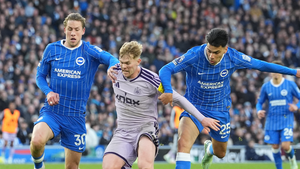
The match carries its own date Consider a fictional Saturday fixture. As an item in a sports listing it gives the teams, the time and the competition. A promotion beside it has its own words about how it applies. You could save a picture of the fixture in your calendar. That picture would tell you when the game was due to begin, leaving the term of any offer to the accompanying text. This is especially clear if the fixture gets moved and the listing stays in several search results.
A slot has a different identity, with a title and a studio instead of two teams and a venue. A casino promotion may name a game or a group of games. A reader who sees the name of a sports event in a promotions list needs the label from the nearby offer to understand where the code belongs. A headline containing only the brand can cover more than one subject.
An identifier has to point somewhere A code is a small handle for a much longer description. To see what it points to, check the individual offer name. The applicable terms may refer to a period, a type of account or a particular form of play. They can also describe what happens afterwards. That is where a reader can tell which questions the offer actually answers. A picture of a winning round is about the game at that moment.
Leer la nota completa en El Independiente